

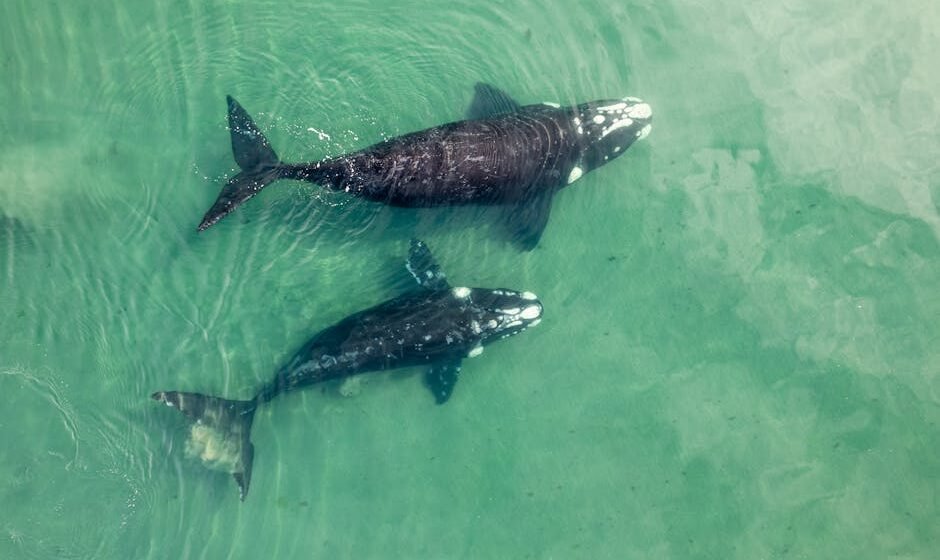
Right whale births surge, signaling hope for fragile species
The North Atlantic right whale, one of the world’s most endangered large mammals, has experienced a notable rise in births this year, offering a glimmer of hope for conservationists working to protect the species.
Table Of Content
Encouraging Numbers for a Struggling Species
Wildlife experts have documented 19 newborn right whale calves along the southeastern U.S. coast during the current calving season. This figure marks the highest number of births since 2015, when 17 calves were recorded. The recent uptick is a positive sign for a species whose numbers have been in steep decline for over a decade.
Population Still at Risk
Despite the increase in calves, the overall population remains precariously low. Scientists estimate that only about 360 North Atlantic right whales remain, with fewer than 70 breeding females. The species faces ongoing threats from ship strikes and entanglement in fishing gear, which continue to hinder recovery efforts.
Conservation Efforts and Ongoing Challenges
Conservation groups and government agencies have implemented various measures to protect right whales, including:
- Seasonal speed restrictions for vessels in key habitats
- Modifications to fishing gear to reduce entanglement risks
- Increased monitoring and research to track whale movements
While these strategies have contributed to the recent rise in births, experts caution that sustained action is necessary to ensure the species’ survival. The right whale’s slow reproductive rate means that even modest gains can be quickly offset by losses from human activity.
Hope for the Future
The latest calving numbers have energized conservationists, who view the increase as evidence that protective measures can make a difference. However, they stress that continued vigilance is essential to prevent further decline. The fate of the North Atlantic right whale remains uncertain, but the recent surge in births offers a rare moment of optimism for those dedicated to its preservation.
For more details, visit the original report at this link.