
Venomous Primate Believed Extinct for 100 Years Was Hiding in Plain Sight All Along
A rare primate species, once believed to have vanished from the wild for over a hundred years, has been found alive and well, astonishing scientists and wildlife enthusiasts alike. The elusive creature, known for its venomous bite, was hiding in its natural habitat, unnoticed by researchers for decades.
Table Of Content
A Remarkable Rediscovery
The primate in question, the slow loris, had not been officially recorded in the wild for nearly a century. Experts had long assumed it had gone extinct due to habitat loss and hunting. However, a recent expedition led by a team of biologists uncovered evidence that the species had been surviving in remote forested regions, blending seamlessly into its surroundings.
How the Species Stayed Hidden
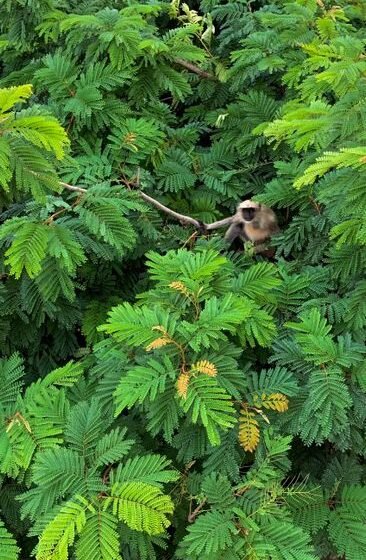
Despite its distinctive appearance and venomous capabilities, the slow loris managed to evade detection for so long thanks to its nocturnal habits and secretive lifestyle. The animal’s ability to move silently through dense foliage, combined with its preference for isolated areas, made it particularly difficult to spot.
- Active primarily at night
- Camouflaged among tree branches
- Rarely vocalizes, reducing chances of discovery
Venomous Defense Mechanism
One of the most intriguing features of the slow loris is its venomous bite, a rarity among primates. The animal secretes toxins from glands near its elbows, which it then licks before biting, delivering a potentially painful and dangerous wound to predators or threats. This unique adaptation has fascinated scientists, who are eager to study its properties further.
Implications for Conservation
The rediscovery of the slow loris offers new hope for conservation efforts. With proof that the species still exists, organizations can now focus on protecting its habitat and ensuring its survival. Conservationists emphasize the importance of safeguarding the forests where these primates live, as well as raising awareness about the threats they face from illegal wildlife trade and deforestation.
Looking Ahead
Researchers are now planning further studies to learn more about the slow loris’s population size, distribution, and behavior. The unexpected find serves as a reminder that nature still holds many secrets, and that even species thought lost forever may still be out there, waiting to be rediscovered.
For more details, visit the original report at this link.