

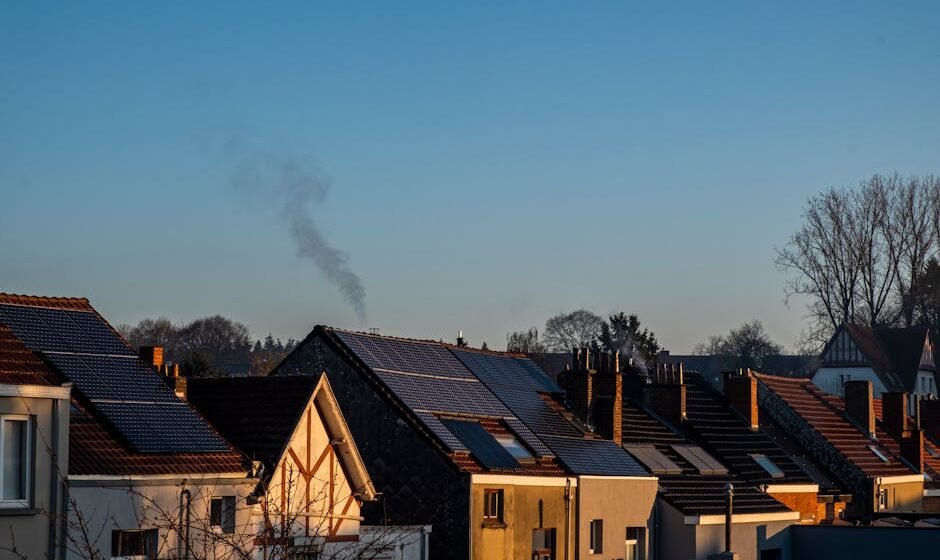
What does the new £1bn investment in community energy really mean?
The UK government has announced a significant £1 billion investment aimed at boosting community energy projects across the country. This initiative is designed to empower local groups to generate their own renewable energy, reduce carbon emissions, and foster greater energy independence. But what are the practical implications of this funding, and how might it transform the energy landscape?
Table Of Content
Understanding Community Energy
Community energy refers to projects where local people or organizations develop, own, or manage renewable energy resources such as solar panels, wind turbines, or hydroelectric schemes. These initiatives often reinvest profits into the community, supporting local services or further environmental projects.
Details of the Investment
The £1bn package will be distributed over several years, supporting both new and existing community energy schemes. Funding will be accessible through grants and low-interest loans, with the goal of making it easier for local groups to get projects off the ground or expand current operations.
- Grants for feasibility studies and project planning
- Loans for construction and equipment purchase
- Support for training and skills development
Potential Benefits
This investment is expected to deliver a range of advantages, including:
- Lower energy bills for participating communities
- Job creation in green industries
- Reduced greenhouse gas emissions
- Increased energy security and resilience
By enabling more communities to generate their own power, the initiative aims to decentralize the energy system and make it more responsive to local needs.
Challenges Ahead
While the funding is a positive step, there are hurdles to overcome. Community groups often face complex planning regulations, difficulties in accessing the national grid, and a lack of technical expertise. The government has pledged to streamline planning processes and provide additional guidance to help address these barriers.
What Happens Next?
Applications for funding will open later this year, with the government encouraging a wide range of groups to apply, from rural villages to urban neighborhoods. The hope is that this investment will spark a wave of new projects, setting an example for other countries looking to democratize their energy systems.