

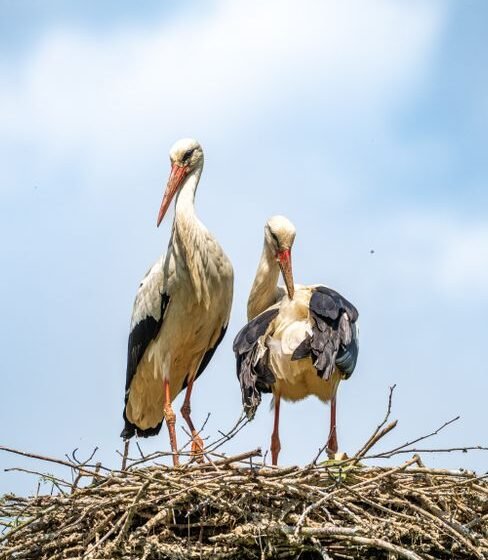
White Storks Make Historic Return to the English Midlands After 600-year Absence
White storks have been spotted nesting in the English Midlands for the first time in over 600 years, marking a significant milestone for wildlife enthusiasts and conservationists. Their presence is being celebrated as a remarkable sign of nature’s resilience and the success of ongoing rewilding efforts.
Table Of Content
Historic Sightings in the Midlands
Observers recently confirmed that white storks have established nests in the Midlands, a region where these birds have not bred since the Middle Ages. The return of these iconic birds is being hailed as a historic event, as records indicate their last known nesting in the area dates back to the 15th century.
Conservation Projects Lead the Way
The reappearance of white storks is largely attributed to dedicated conservation initiatives aimed at restoring native species to the British countryside. Projects have focused on creating suitable habitats and reintroducing storks to areas where they once thrived. These efforts have included the release of captive-bred birds and the restoration of wetlands and grasslands, providing ideal nesting and feeding grounds.
Key Actions Taken
- Releasing storks bred in captivity into the wild
- Restoring and managing wetland habitats
- Monitoring nesting sites and breeding success
Why White Storks Matter
White storks are not only a symbol of British wildlife heritage but also play an important role in local ecosystems. As large wading birds, they help control insect and small animal populations, contributing to ecological balance. Their return is seen as an indicator of improving environmental health in the region.
Community Engagement and Future Prospects
Local communities have shown strong support for the storks’ return, with many residents and schools participating in monitoring and educational activities. Conservationists hope that the successful nesting in the Midlands will inspire similar projects elsewhere in the UK, further supporting the recovery of native bird populations.
Learn More
For additional information about the white storks’ return and ongoing conservation efforts, visit the full story at this link.