

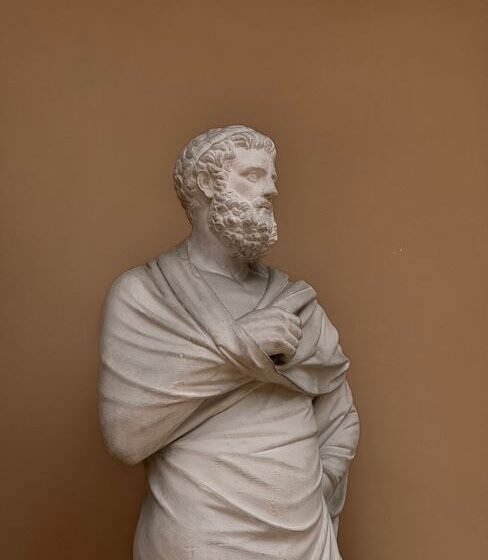
Yet More Scrolls Burned by Vesuvius Decoded by AI–Revealing Insights by Unknown Stoic Philosopher
Artificial intelligence has successfully interpreted more ancient scrolls that were carbonized during the eruption of Mount Vesuvius, unveiling philosophical reflections from an unidentified Stoic writer. This breakthrough offers a rare glimpse into the intellectual life of the Roman world nearly two millennia ago.
Table Of Content
Unlocking Secrets from the Herculaneum Library
The scrolls, discovered in the ruins of Herculaneum, were preserved under layers of volcanic ash following the catastrophic eruption in 79 AD. For centuries, their contents remained inaccessible, as the fragile papyrus would crumble at the slightest touch. Recent advances in machine learning and imaging technology have now made it possible to virtually unroll and decipher these delicate texts.
How AI Is Transforming Ancient Text Recovery
Researchers utilized high-resolution X-ray scans combined with sophisticated AI algorithms to detect and interpret the faint traces of ink hidden within the tightly wound scrolls. This method allows for the digital reconstruction of the text without physically opening the scrolls, preserving them for future study.
- High-resolution imaging captures internal layers of the scrolls.
- AI models identify subtle differences between ink and papyrus.
- Virtual unrolling reveals previously unreadable passages.
New Insights from an Unknown Stoic Philosopher
The latest decoded passages reveal philosophical discussions attributed to a previously unidentified Stoic thinker. The content delves into themes such as the nature of happiness, the importance of virtue, and the value of rational thought—core tenets of Stoic philosophy. These writings provide a fresh perspective on ancient philosophical debates and suggest the existence of influential yet unrecognized voices in the Stoic tradition.
Significance for Classical Scholarship
Experts believe these findings could reshape our understanding of Roman intellectual history. The newly revealed texts not only expand the known corpus of Stoic literature but also highlight the diversity of thought present in the ancient world. Scholars are now working to contextualize these teachings alongside those of well-known Stoic philosophers like Seneca and Epictetus.
Looking Ahead: The Future of Scroll Decipherment
With hundreds of scrolls still awaiting analysis, researchers are optimistic that further application of AI will continue to unlock hidden treasures from the past. Each new discovery adds depth to our knowledge of ancient philosophy, literature, and daily life in the Roman Empire.