

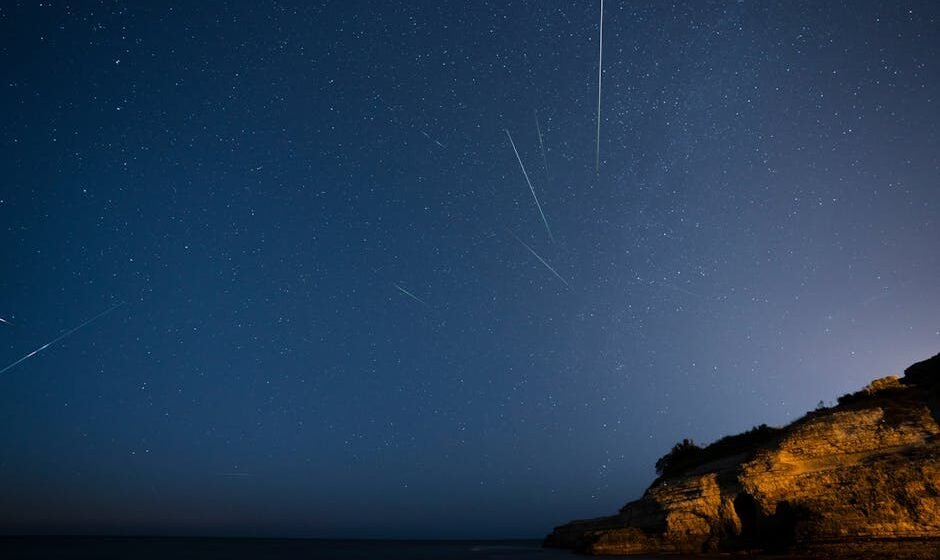
April’s Lyrid Meteor Shower to Streak Across Moonless Sky for a Perfect Stargazing Show
This month, skywatchers can look forward to the annual Lyrid meteor shower, which is set to peak under optimal conditions thanks to the absence of moonlight. The event promises a dazzling display for those eager to catch shooting stars in the night sky.
Table Of Content
When and Where to Watch
The Lyrid meteor shower is expected to reach its peak during the early morning hours of April 22. With the moon setting early, the sky will be especially dark, providing excellent visibility for meteor spotting. Observers in the Northern Hemisphere will have the best vantage point, but those in the Southern Hemisphere may also catch a glimpse of the show.
What Makes the Lyrids Special?
The Lyrids are known for their bright, fast-moving meteors, which often leave glowing trails that linger for several seconds. While the shower typically produces about 10 to 20 meteors per hour at its peak, some years have seen unexpected bursts of activity, with rates soaring much higher.
Key Features of the Lyrid Meteor Shower
- Peak Activity: Early morning of April 22
- Best Viewing: After midnight, away from city lights
- Average Rate: 10–20 meteors per hour
- Potential for Fireballs: Occasional bright meteors with persistent trails
Tips for the Best Viewing Experience
To make the most of the Lyrid meteor shower, find a location with minimal light pollution and a clear view of the sky. Allow your eyes at least 20 minutes to adjust to the darkness. No special equipment is needed—just look up and enjoy the spectacle.
- Choose a dark, open area away from city lights.
- Dress warmly and bring a blanket or reclining chair for comfort.
- Give your eyes time to adjust to the dark for optimal viewing.
- Look toward the constellation Lyra, but meteors can appear anywhere in the sky.
Origin of the Lyrid Meteors
The Lyrid meteors are fragments left behind by Comet Thatcher, which orbits the sun every 415 years. As Earth passes through the debris trail each April, bits of comet dust burn up in the atmosphere, creating the bright streaks visible from the ground.
Why This Year’s Shower Stands Out
This year, the timing of the new moon means the sky will be especially dark, making even the faintest meteors easier to spot. The combination of clear skies and minimal moonlight creates ideal conditions for both amateur and seasoned stargazers.
How to Learn More
For additional details on the Lyrid meteor shower and tips for observing, visit this resource.
Prepare for a Night of Wonder
With the Lyrid meteor shower set to illuminate the night sky, now is the perfect time to plan an evening under the stars. Gather your friends and family, find a dark spot, and get ready for a memorable celestial show this April.