

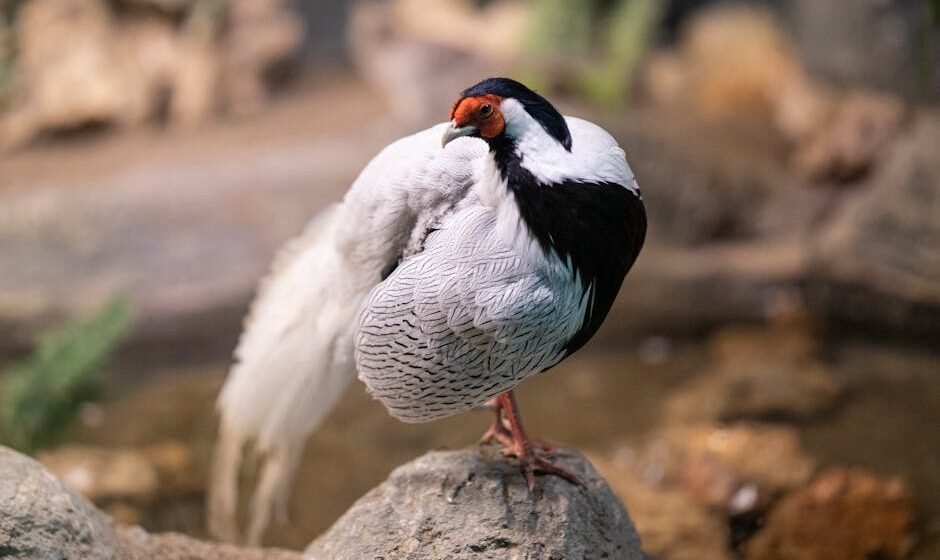
Fabulous Vietnam Pheasant Not Seen in 20 Years Returns to Wild Thanks to Zoo Coalition
After two decades absent from its native forests, the striking Vietnamese pheasant has made a triumphant return to the wild, thanks to a collaborative effort among several international zoos. This remarkable milestone marks a significant step forward for the conservation of a species once believed to be on the brink of extinction.
Table Of Content
Rare Bird Makes a Comeback
The Vietnamese pheasant, known for its vibrant plumage and elusive nature, had not been observed in its natural habitat for over 20 years. The species, native to the lowland forests of central Vietnam, faced severe threats from habitat destruction and illegal trapping, leading to its disappearance from the wild.
Conservationists feared the worst until a coalition of zoos from around the world joined forces to breed the birds in captivity. Their long-term goal: to reintroduce the species into its original environment and restore balance to the local ecosystem.
International Zoos Unite for Conservation
Zoos in Europe, Asia, and North America collaborated closely, sharing expertise and genetic resources to establish a robust captive breeding program. By carefully managing the birds’ genetic diversity, the coalition ensured a healthy population capable of thriving once released.
- Coordinated breeding efforts across continents
- Regular health checks and genetic monitoring
- Preparation for adaptation to wild conditions
These efforts culminated in the successful release of a group of Vietnamese pheasants into protected forest reserves in Vietnam. Local conservationists continue to monitor the birds, tracking their adaptation and survival in the wild.
Hope for the Future
The reintroduction of the Vietnamese pheasant offers renewed hope for the species and highlights the impact of international cooperation in wildlife conservation. Experts believe that, with ongoing support and habitat protection, the population can gradually recover and once again thrive in its natural range.
This achievement also serves as an inspiring example for other endangered species facing similar threats. The coalition’s work demonstrates the power of global partnerships and the importance of sustained conservation efforts.