

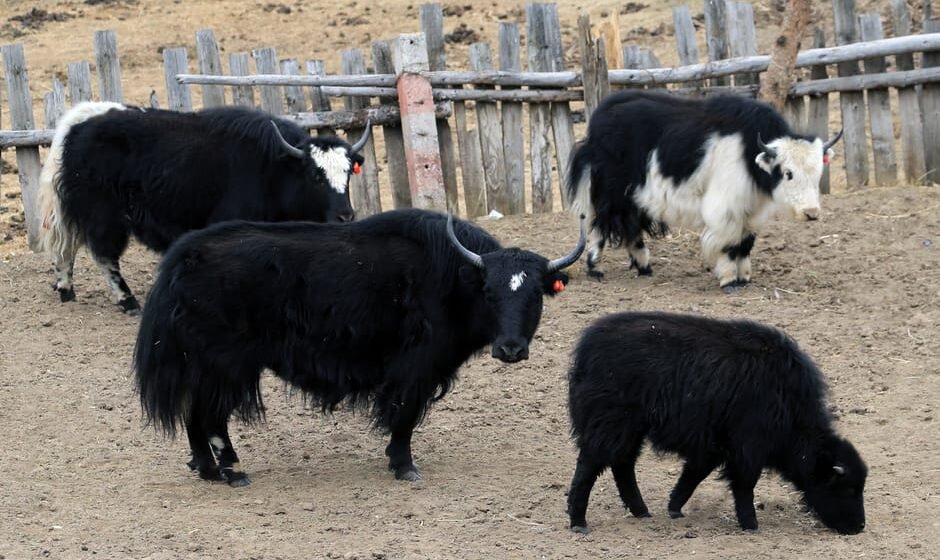
Biologists Clone Wild Yaks to Save Golden Subspecies Numbering Fewer Than 300 in First of its Kind Effort
In a pioneering initiative, scientists have successfully cloned wild yaks in an effort to protect a critically endangered golden subspecies, whose population has dwindled to fewer than 300 individuals. This marks the first time such a cloning project has been undertaken for this unique group of animals.
Table Of Content
Urgent Need for Conservation
The golden wild yak, known for its distinctive light-colored coat, inhabits remote regions of the Qinghai-Tibet Plateau. With numbers alarmingly low, conservationists have been searching for innovative solutions to prevent the extinction of this rare subspecies. Traditional breeding programs have struggled to boost the population due to the limited number of surviving animals and their isolated habitats.
Cloning as a Conservation Tool
Researchers at a leading biological institute utilized advanced cloning techniques to produce genetically identical wild yaks. The process involved extracting cells from a golden wild yak and inserting them into surrogate mothers. After a successful gestation period, the first cloned calves were born healthy, offering hope for the future of the subspecies.
Key Steps in the Cloning Process
- Collection of somatic cells from a golden wild yak
- Insertion of genetic material into donor eggs
- Implantation of embryos into surrogate female yaks
- Monitoring and care throughout gestation
Potential Impact on Species Survival
Experts believe that cloning could play a vital role in increasing the population of golden wild yaks and maintaining genetic diversity. The technique may also serve as a model for conserving other endangered species facing similar challenges. However, scientists caution that cloning alone cannot solve all conservation issues and must be combined with habitat protection and anti-poaching efforts.
Future Plans and Challenges
The team plans to continue refining their methods and hopes to introduce more cloned yaks into the wild in the coming years. They are also working closely with local authorities and conservation groups to ensure the long-term survival of the golden wild yak. Despite the promising results, challenges remain, including ensuring the health and adaptability of cloned animals in their natural environment.
For More Information
To learn more about this groundbreaking project, visit the original report at this link.