

Butterfly That Went Extinct in Britain a Century Ago Set for Return to Famous Rewilded Estate Land
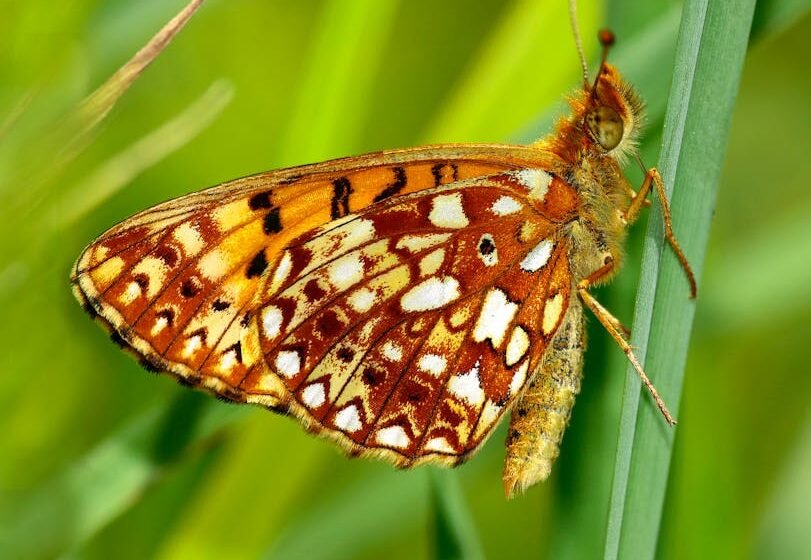
A butterfly species that vanished from Britain nearly a century ago is set to make a comeback at a celebrated rewilding site. Conservationists have announced plans to reintroduce the large tortoiseshell butterfly to the Knepp Estate in West Sussex, marking a significant milestone in the ongoing effort to restore native wildlife.
Table Of Content
Historic Disappearance and Hopeful Return
The large tortoiseshell butterfly, once common across southern England, was last seen in Britain during the 1920s. Its decline was attributed to habitat loss, changes in woodland management, and disease. Now, after years of absence, the species is poised to return thanks to a carefully managed reintroduction project at Knepp, a site known for its pioneering approach to rewilding.
Knepp Estate’s Role in Wildlife Recovery
Knepp Estate has gained international recognition for transforming traditional farmland into a haven for biodiversity. The estate’s naturalistic grazing and habitat restoration have already led to the resurgence of rare species such as nightingales, turtle doves, and purple emperor butterflies. The upcoming reintroduction of the large tortoiseshell is expected to further enhance the estate’s ecological richness.
Why Knepp Was Chosen
- The estate’s diverse woodlands and open spaces provide ideal conditions for the butterfly’s lifecycle.
- Previous successful introductions of other species demonstrate Knepp’s suitability for conservation projects.
- Ongoing monitoring and research at the site ensure the butterflies’ progress can be closely tracked.
How the Reintroduction Will Work
Conservationists plan to release caterpillars and pupae sourced from healthy populations in Europe. These will be carefully placed in areas with abundant food plants and suitable shelter. The project team will monitor the butterflies’ development and survival, adjusting management as needed to support their establishment.
Key Steps in the Process
- Importing large tortoiseshell caterpillars and pupae from European populations.
- Releasing them in carefully selected woodland areas within Knepp Estate.
- Monitoring butterfly emergence, breeding, and dispersal throughout the season.
- Collecting data to inform future reintroduction efforts elsewhere in Britain.
Broader Impact on Conservation
The return of the large tortoiseshell butterfly is seen as a symbol of hope for Britain’s declining insect populations. Experts believe that successful reintroduction could inspire similar projects for other lost or threatened species. The initiative also highlights the importance of habitat restoration and long-term stewardship in reversing biodiversity loss.
Looking Ahead
If the reintroduction proves successful, the large tortoiseshell could once again become a familiar sight in British woodlands. Conservationists remain optimistic that Knepp’s example will encourage more landowners to embrace rewilding and help restore the country’s natural heritage.
For more details, visit the original report.