

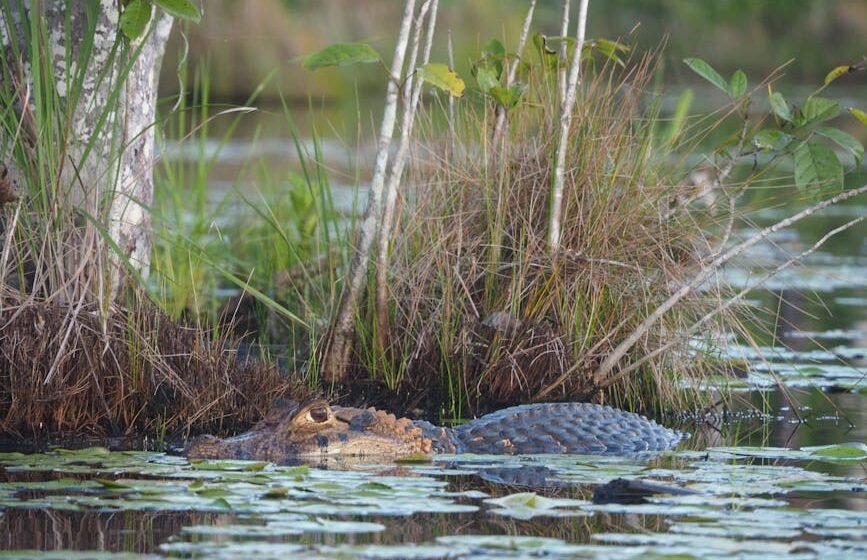
Everglades Restoration Project Ongoing for 20-Plus Years Sees Huge Rewilding Success
For more than twenty years, an ambitious environmental initiative has been underway in the Florida Everglades, aiming to restore one of the world’s most unique wetland ecosystems. The ongoing project, which began in the early 2000s, is now being celebrated for its impressive progress in reviving native habitats and wildlife populations.
Table Of Content
Reviving a Vital Ecosystem
The Everglades, often referred to as the “River of Grass,” spans millions of acres across southern Florida. Decades of development, water diversion, and pollution had left the region severely degraded, threatening countless species and disrupting natural water flows. The restoration project was launched to reverse this damage, focusing on reestablishing natural hydrology and reintroducing native plants and animals.
Key Components of the Restoration Effort
- Water Flow Restoration: Efforts have centered on removing barriers and redirecting water to mimic historical patterns, essential for the survival of wetland species.
- Invasive Species Control: Targeted programs have been implemented to reduce populations of non-native plants and animals that threaten the ecosystem’s balance.
- Wildlife Reintroduction: Native species, including wading birds and fish, have been actively reintroduced to areas where they had disappeared.
- Community Engagement: Local communities and indigenous groups have been involved in conservation and monitoring activities, ensuring long-term stewardship.
Impressive Results After Two Decades
Recent surveys indicate that the Everglades are showing significant signs of recovery. Wetland habitats have expanded, and water quality has improved in several key regions. Notably, the return of species such as the wood stork and the American alligator is seen as a major victory for conservationists.
Wildlife Comebacks
- Bird Populations: Wading birds, once in steep decline, have experienced a resurgence, with nesting numbers reaching levels not seen in decades.
- Fish and Amphibians: Restoration of marshes and sloughs has led to increased populations of native fish and amphibians, vital for the food web.
- Endangered Species: The project has provided critical habitat for endangered animals, including the Florida panther and snail kite.
Challenges and the Road Ahead
Despite the successes, the Everglades restoration faces ongoing challenges. Climate change, sea level rise, and continued urban development pose new threats to the ecosystem’s health. Project leaders emphasize the importance of sustained funding and adaptive management to ensure lasting results.
Looking Forward
As the restoration project continues, scientists and conservationists remain optimistic. The progress achieved so far demonstrates the resilience of the Everglades and the effectiveness of collaborative, science-based restoration. With continued support, the region is poised to thrive for generations to come.