

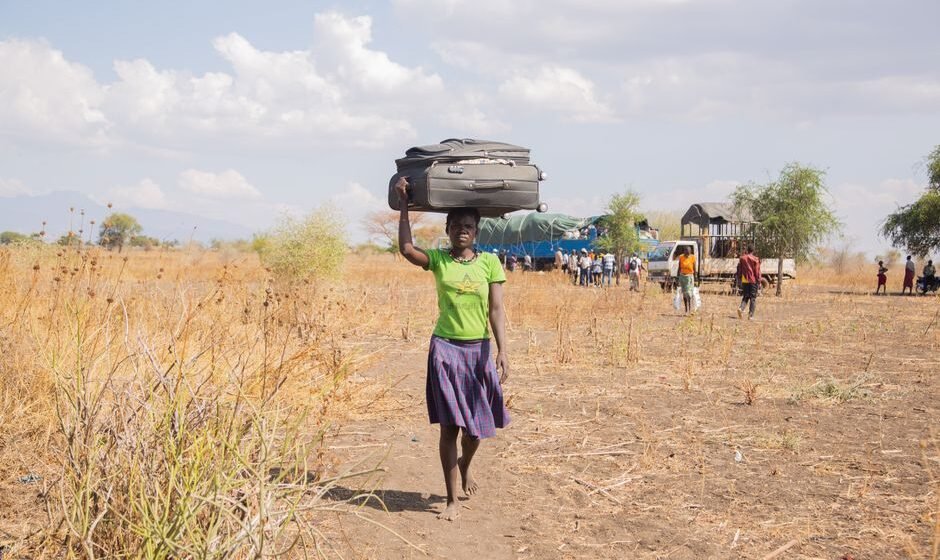
How a Documentary About Climate Migration Found a Happy Ending
When filmmaker Sarah Thompson set out to document the lives of families displaced by rising sea levels, she anticipated a story marked by hardship and uncertainty. Instead, her journey led to a surprising conclusion—one filled with hope and resilience.
Table Of Content
Capturing the Human Side of Climate Change
Thompson’s project began in a coastal village threatened by frequent flooding. She spent months living among the residents, capturing their daily routines and the challenges they faced as their homes and livelihoods were increasingly at risk. The documentary aimed to highlight the personal impact of climate change, moving beyond statistics to focus on real people and their stories.
Unexpected Developments
As filming progressed, Thompson witnessed a remarkable transformation. Community members, once overwhelmed by the prospect of relocation, began to organize. They developed support networks, shared resources, and advocated for government assistance. Local leaders collaborated with aid organizations to secure new housing and job opportunities for those forced to move inland.
Key Moments in the Journey
- Residents formed a relocation committee to coordinate efforts.
- Workshops were held to teach new skills and prepare for life in a different environment.
- Children adapted quickly, making friends and excelling in new schools.
A Story of Adaptation and Optimism
By the time filming concluded, many families had settled into their new community. While the transition was not without challenges, the sense of unity and determination was palpable. Thompson’s documentary, rather than ending on a note of loss, celebrated the strength and adaptability of those affected by climate migration.
Bringing the Message to a Wider Audience
After its premiere at several film festivals, the documentary received widespread acclaim for its uplifting perspective. Viewers were moved by the stories of perseverance and the message that, even in the face of daunting change, hope can prevail. The film has since been used in educational programs and policy discussions, inspiring others to take action and support communities on the front lines of climate change.