

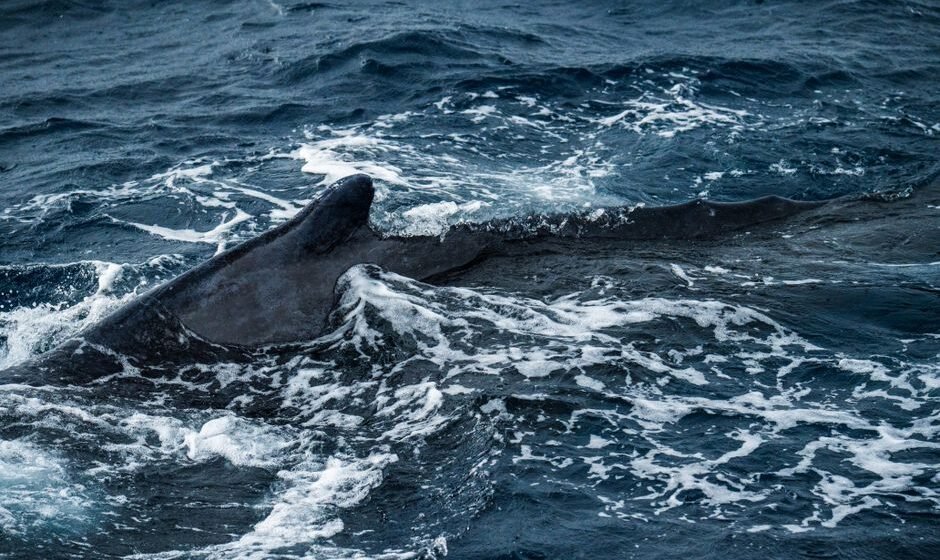
Increased Sightings of World’s Two Largest Whale Species Decimated By Hunting Provides New Hope for Survival
Recent increases in encounters with the planet’s two largest whale species, both of which suffered severe population declines due to historic whaling, are sparking optimism among conservationists and marine researchers. These encouraging trends suggest that blue whales and fin whales may be on the path to recovery after decades of protection.
Table Of Content
Encouraging Trends in Whale Populations
Marine scientists have documented a notable uptick in the number of blue and fin whales observed in various regions. These species, once pushed to the brink of extinction by commercial whaling, are now being seen more frequently in their traditional habitats. This resurgence is attributed to international bans on whaling and ongoing conservation efforts.
Blue Whales: The Giants Return
Blue whales, the largest animals ever known to exist, were nearly eradicated during the 20th century. However, recent surveys have recorded more frequent sightings in areas such as the Southern Ocean and off the coast of California. Researchers believe that these sightings indicate a slow but steady rebound in their numbers.
Fin Whales: Signs of Recovery
Fin whales, the second-largest whale species, have also shown signs of population growth. Observations in the North Atlantic and other key regions suggest that these whales are returning to feeding and breeding grounds that had been largely abandoned during the height of whaling activities.
Conservation Efforts Fueling Hope
The resurgence of these massive marine mammals is largely credited to global conservation measures. The International Whaling Commission’s moratorium on commercial whaling, established in 1986, played a pivotal role in halting the decline of whale populations. In addition, marine protected areas and stricter regulations on ship traffic and fishing gear have contributed to safer environments for whales.
- International bans on commercial whaling
- Expansion of marine protected areas
- Improved monitoring and research initiatives
- Efforts to reduce ship strikes and fishing gear entanglements
Challenges Remain for Whale Recovery
Despite these positive developments, blue and fin whales continue to face significant threats. Collisions with ships, entanglement in fishing gear, and the impacts of climate change on ocean ecosystems still pose risks to their survival. Conservationists emphasize the need for ongoing vigilance and adaptive management to ensure these species continue to recover.
Looking to the Future
While the increase in sightings is a hopeful sign, experts caution that full recovery will require sustained international cooperation and continued protection. Ongoing research and monitoring will be essential to track population trends and address emerging threats.