

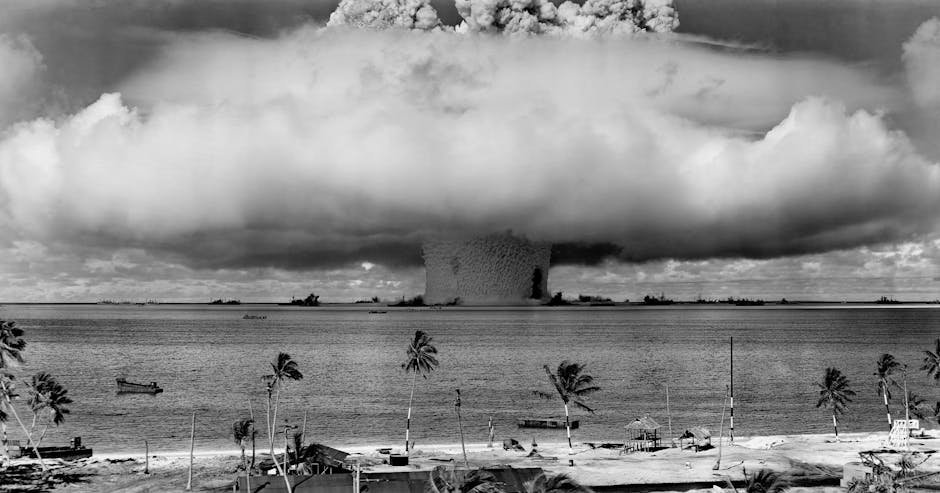
January 14th Marked the Longest Period Without a Nuclear Detonation Since the Atomic Age Began
On January 14th, the world reached a significant milestone: it marked the longest stretch without a nuclear explosion since the dawn of the atomic age. This achievement underscores decades of international efforts to curb nuclear testing and promote global security.
Table Of Content
A New Era in Nuclear Restraint
The previous record for the longest interval without a nuclear detonation was surpassed on this date. The last confirmed nuclear test was conducted by North Korea in September 2017, and since then, no nation has carried out a nuclear explosion. This period of restraint is the longest since the first atomic bomb was detonated in 1945.
Historical Context
Since the first nuclear test in New Mexico nearly 80 years ago, over 2,000 nuclear explosions have been recorded worldwide. The majority of these tests occurred during the Cold War, as the United States and the Soviet Union raced to develop and refine their arsenals. However, the frequency of tests has declined sharply since the 1990s, following the end of the Cold War and the signing of various arms control agreements.
International Treaties and Agreements
Several key treaties have contributed to the reduction in nuclear testing:
- Partial Test Ban Treaty (PTBT) of 1963: Prohibited nuclear tests in the atmosphere, outer space, and underwater, but allowed underground explosions.
- Comprehensive Nuclear-Test-Ban Treaty (CTBT) of 1996: Sought to ban all nuclear explosions, though it has not yet entered into force due to pending ratifications.
Despite the CTBT not being fully ratified, most nuclear-armed states have observed a voluntary moratorium on testing.
Current Global Status
North Korea remains the only country to have conducted nuclear tests in the 21st century, with its most recent detonation in 2017. Other nuclear-armed nations, including the United States, Russia, China, France, and the United Kingdom, have maintained their moratoriums for over two decades.
Challenges Ahead
While the extended pause in nuclear testing is a positive sign, concerns persist about the future. Some experts warn that geopolitical tensions or technological developments could prompt a return to testing. The incomplete ratification of the CTBT also leaves room for uncertainty.
Looking Forward
The record-breaking period without nuclear detonations highlights the effectiveness of international cooperation and the importance of continued vigilance. As the world reflects on this achievement, the hope remains that nations will continue to uphold and strengthen commitments to a test-free world.
For more details, visit the original report at this link.