

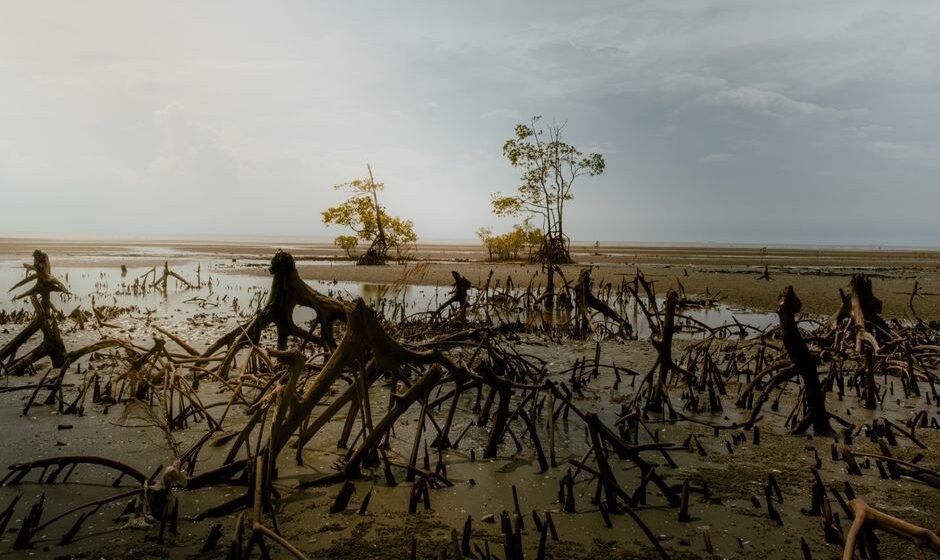
Mangrove Loss Worldwide Is Now Reversing—with More, Denser Forests Than 20 Years Ago
Once considered to be in steady decline, mangrove forests around the globe are now experiencing a resurgence, with recent research revealing that these vital coastal ecosystems are expanding in both area and density compared to 20 years ago.
Table Of Content
Global Mangrove Trends Shift
For years, environmental scientists have warned about the rapid loss of mangroves due to coastal development, aquaculture, and climate change. However, new data indicates that the overall trend is reversing. According to recent satellite imagery and field studies, mangrove forests are not only regaining lost ground but are also growing denser in many regions.
Key Findings from Recent Studies
- Mangrove coverage has increased globally since the early 2000s.
- Forest density, measured by canopy cover and biomass, is on the rise.
- Restoration efforts and natural regeneration are contributing to these positive changes.
Why Mangroves Matter
Mangroves play a crucial role in coastal protection, carbon storage, and supporting biodiversity. Their intricate root systems shield shorelines from erosion and storm surges, while also providing habitat for countless species of fish, birds, and other wildlife. Additionally, mangroves are highly efficient at sequestering carbon, making them important allies in the fight against climate change.
Drivers Behind the Recovery
Several factors are fueling the recovery of mangrove forests:
- Conservation Initiatives: Governments and organizations have implemented policies to protect existing mangroves and restore degraded areas.
- Community Engagement: Local communities are increasingly involved in planting and maintaining mangrove forests.
- Natural Expansion: In some regions, mangroves are naturally recolonizing areas where conditions have improved.
Regional Highlights
While the overall trend is positive, the recovery is not uniform across all regions. Southeast Asia, for example, has seen significant gains due to large-scale restoration projects, while some areas in Africa and the Americas are still facing challenges from development pressures.
Looking Ahead
Experts caution that continued vigilance is necessary to maintain and build on these gains. Ongoing threats such as rising sea levels, pollution, and unsustainable land use remain concerns. However, the recent turnaround in mangrove health offers hope that with sustained effort, these vital forests can thrive for generations to come.