

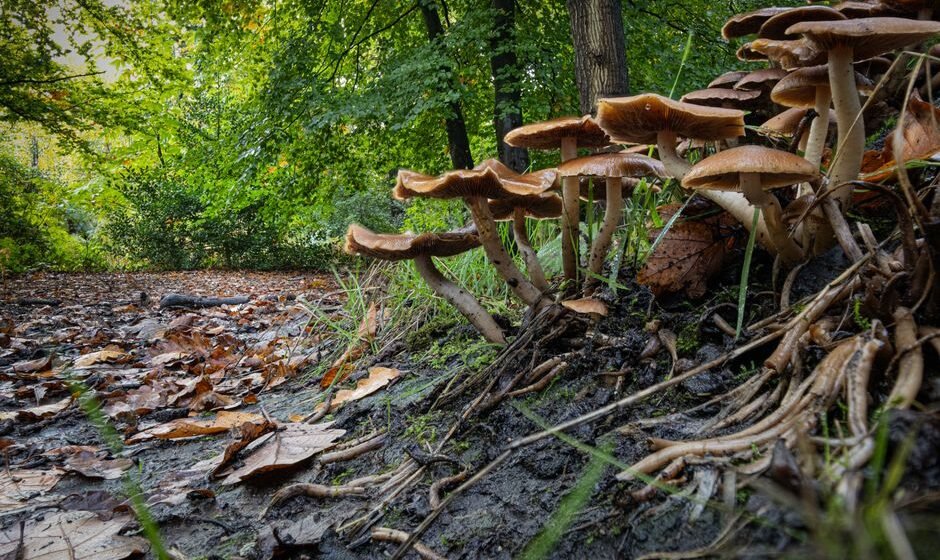
Mushrooms Used to Clean E. Coli from Rivers and Immediately Implemented in England
Innovative use of mushrooms is helping to reduce E. coli contamination in rivers, with the method being swiftly put into practice across England. This natural solution is gaining attention for its effectiveness in improving water quality and safeguarding public health.
Table Of Content
How Mushrooms Cleanse Waterways
The process, known as mycoremediation, utilizes the natural filtering abilities of fungi to break down harmful bacteria such as E. coli. By placing specific types of mushrooms along riverbanks or within watercourses, these fungi absorb and neutralize contaminants as water flows through them.
Experts highlight that the root-like structures of mushrooms, called mycelium, act as a biological filter. These networks capture bacteria and other pollutants, preventing them from spreading further downstream.
Immediate Implementation in England
Following successful trials, authorities in England have rapidly adopted this eco-friendly technique. The approach has been introduced in several regions where water pollution from agricultural runoff and sewage has posed ongoing challenges.
Local environmental groups and water management agencies are collaborating to expand the use of mushrooms in river restoration projects. Early results indicate a significant reduction in E. coli levels in treated areas.
Key Benefits of Mushroom-Based Remediation
- Reduces harmful bacteria in rivers and streams
- Provides a sustainable and chemical-free solution
- Supports biodiversity and natural habitats
- Can be integrated into existing river management practices
Future Prospects
With the initial success in England, there is growing interest in expanding mycoremediation to other regions facing similar water quality issues. Researchers are exploring additional applications, including the removal of other pollutants and the restoration of aquatic ecosystems.
As awareness of the benefits of mushroom-based water purification grows, more communities may turn to this innovative method to protect their rivers and ensure cleaner water for all.
For more details, visit the original report here.