

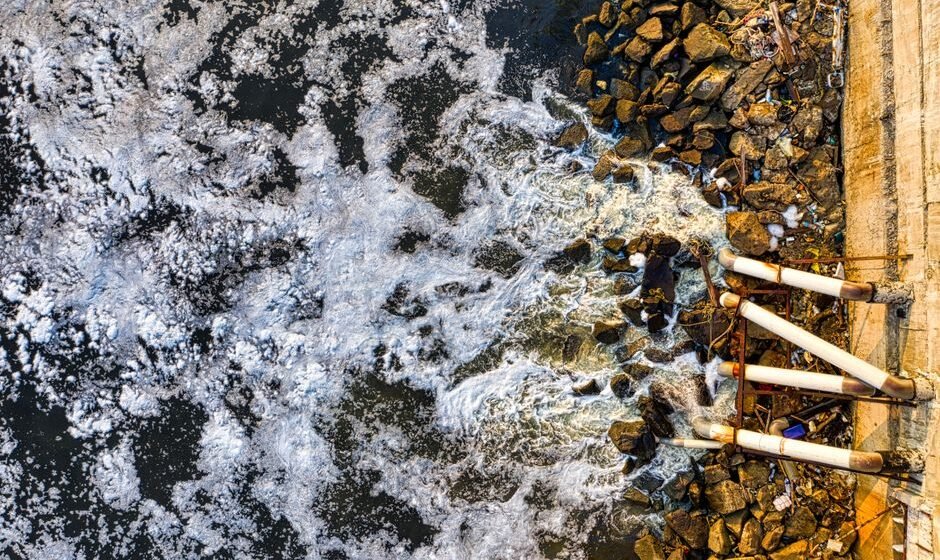
Nature-Inspired Tech Prevents Microplastics Entering Atlantic Ocean Through Wastewater
Innovative technology inspired by natural filtration processes is now being used to stop microplastics from entering the Atlantic Ocean through wastewater systems. This new approach, modeled after the way certain aquatic organisms filter particles, is showing promise in reducing the environmental impact of plastic pollution.
Table Of Content
Microplastics: A Growing Environmental Challenge
Microplastics, which are tiny plastic fragments less than five millimeters in size, have become a significant concern for marine ecosystems. These particles originate from a variety of sources, including synthetic clothing fibers, personal care products, and the breakdown of larger plastic debris. Once they enter waterways, they can be ingested by marine life, potentially causing harm throughout the food chain.
Wastewater Treatment Limitations
Traditional wastewater treatment plants are not fully equipped to capture microplastics, allowing a considerable amount to slip through and eventually reach the ocean. As a result, scientists and engineers have been searching for more effective ways to intercept these particles before they escape into the environment.
Nature-Inspired Solutions
Researchers have turned to nature for inspiration, studying the filtration mechanisms of organisms such as mussels and sponges. These creatures efficiently filter out tiny particles from water, prompting the development of biomimetic filtration systems that replicate their methods.
- Mussels: Known for their ability to filter large volumes of water, mussels trap microscopic particles using their gills.
- Sponges: These animals use a network of pores and channels to capture and digest small debris.
By mimicking these natural processes, engineers have created filters that can be integrated into existing wastewater treatment infrastructure. These filters are designed to trap microplastics effectively, preventing them from entering rivers and, ultimately, the ocean.
Implementation and Early Results
Pilot projects using this technology have already been launched in several wastewater treatment plants along the Atlantic coast. Early data indicates a significant reduction in the amount of microplastics released into the environment. Operators report that the filters are efficient, require minimal maintenance, and can be adapted to different plant sizes.
Looking Ahead
As awareness of microplastic pollution grows, more municipalities are considering the adoption of biomimetic filtration systems. Experts believe that widespread implementation could play a crucial role in protecting marine ecosystems and reducing the long-term impacts of plastic pollution.