

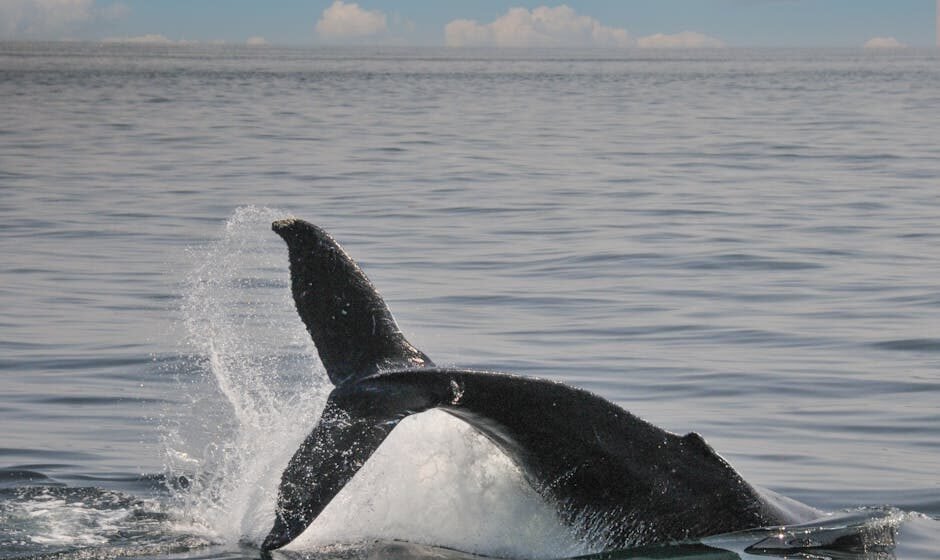
New England Aquarium: North Atlantic right whales see ‘positive news’ this calving season
This year’s calving season for North Atlantic right whales has brought hopeful developments, according to updates from the New England Aquarium. The population, which remains critically endangered, has seen a number of new calves born along the southeastern U.S. coastline.
Table Of Content
Calving Season Brings Optimism
Researchers from the aquarium have observed 19 newborn right whale calves so far this season. This figure is similar to last year’s count and is considered a positive sign for the species, whose numbers have been declining for years. The calving season, which typically runs from December through March, is a crucial period for the survival of the whales.
Why Calving Numbers Matter
North Atlantic right whales are among the world’s most endangered large whales, with an estimated population of fewer than 350 individuals. Each new calf is vital to the species’ recovery. Scientists monitor calving closely, as the birth rate must outpace deaths to ensure the whales’ survival.
- 19 calves have been documented this season
- Similar numbers were recorded last year
- Population remains critically low
Ongoing Threats Remain
Despite the encouraging number of calves, the species continues to face significant dangers. Entanglement in fishing gear and collisions with ships are the leading causes of injury and death for right whales. Conservationists stress that while the recent births are promising, ongoing efforts are essential to address these threats.
Conservation Efforts
The New England Aquarium and partner organizations are working to protect right whales through research, advocacy, and public education. Measures include urging for slower ship speeds in key habitats and promoting fishing gear modifications to reduce entanglement risks.
Looking Ahead
Experts emphasize that the recent calving numbers offer a glimmer of hope but caution that the population’s recovery will require sustained action. Continued monitoring, policy changes, and public support are all necessary to ensure a future for North Atlantic right whales.