

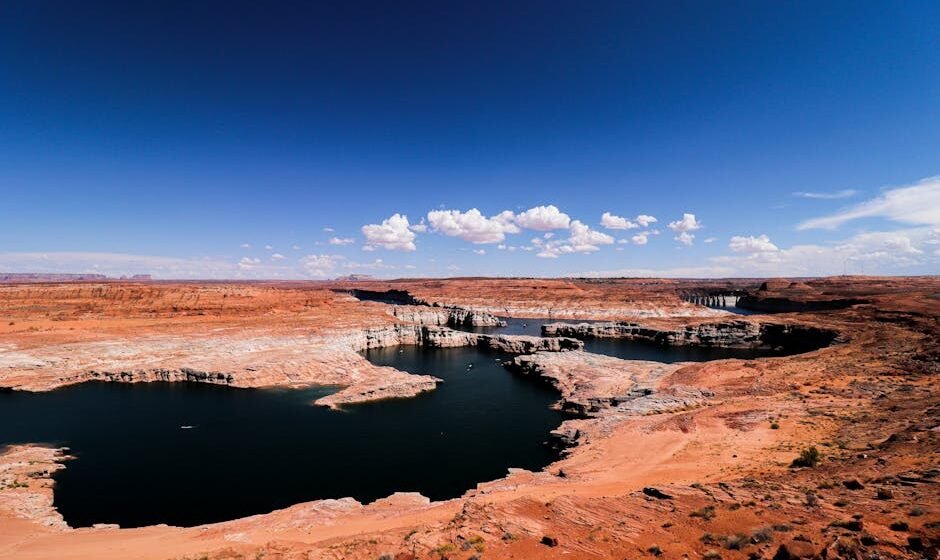
‘No good news’: Colorado River projected to deliver lowest amount of water ever to Lake Powell
Forecasts indicate that the Colorado River will provide the smallest volume of water on record to Lake Powell this year, intensifying concerns about the ongoing drought and the sustainability of water resources for millions of people in the Southwest.
Table Of Content
Historic Low Predicted for Lake Powell
Federal water managers have projected that the river’s flow into Lake Powell will reach its lowest level since the reservoir was created in the 1960s. This alarming outlook comes after years of below-average precipitation and persistent drought conditions across the Colorado River Basin.
“There’s no good news in this forecast,” said a spokesperson from the U.S. Bureau of Reclamation. “We’re seeing the effects of a changing climate and increased demand on the river.”
Implications for Water Users
The Colorado River is a vital source of water for nearly 40 million people across seven states, as well as for agriculture and industry. Lake Powell, the second-largest reservoir on the river, plays a crucial role in storing water and generating hydroelectric power.
- Municipalities rely on the river for drinking water
- Farmers use it for irrigation
- Hydropower plants depend on steady water levels to produce electricity
With the projected decline in inflows, officials warn that water allocations could be reduced, and power generation at Glen Canyon Dam may be further limited.
Factors Behind the Decline
Experts attribute the record-low forecast to a combination of below-average snowpack in the Rockies, higher temperatures, and ongoing drought. These factors have led to decreased runoff, which directly impacts the amount of water reaching Lake Powell.
“We’re seeing less snow and more evaporation,” explained a hydrologist involved in the monitoring efforts. “That means less water is making it into the river system.”
Looking Ahead
Water managers are urging communities and stakeholders to prepare for continued shortages and to implement conservation measures. Some states have already enacted restrictions and are exploring long-term solutions to address the diminishing supply.
“We all need to work together to adapt to these new realities,” said a state official. “Conservation and innovation will be key to ensuring a reliable water future for the region.”