

Owl Found in Concrete Gets Feather Transplant So it Can Fly Silently Again into the Wild (WATCH)
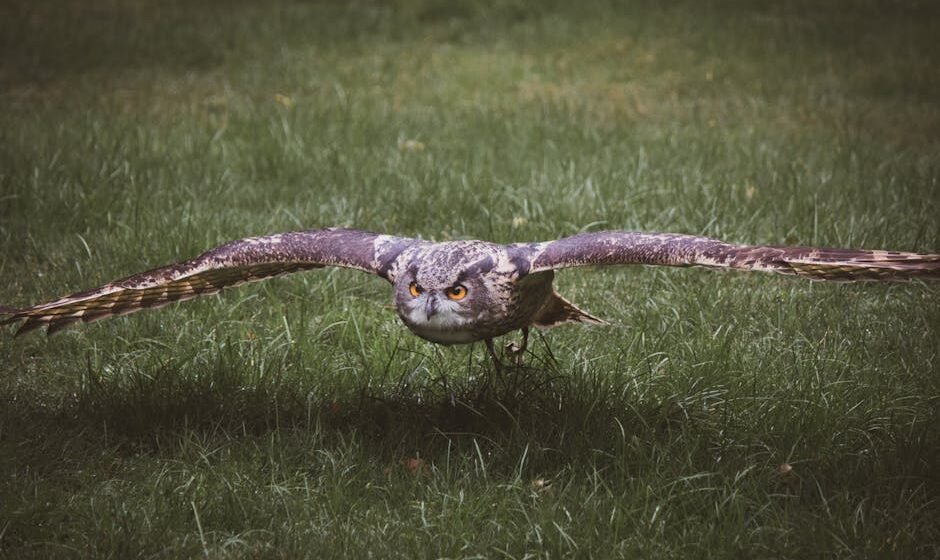
An owl trapped in wet concrete has been given a second chance at freedom after wildlife experts performed a feather transplant, enabling it to fly quietly once again.
Table Of Content
Unexpected Rescue
The bird, a long-eared owl, was discovered stuck in a patch of freshly poured concrete at a construction site. Workers noticed the distressed animal and quickly contacted a local wildlife rehabilitation center for help.
Upon arrival, rescuers carefully freed the owl and transported it to their facility. The concrete had hardened around its wings and tail, damaging several feathers essential for flight and leaving the bird unable to escape predators or hunt effectively.
Innovative Feather Transplant
Veterinarians determined that the owl’s best chance at survival was a procedure known as “imping,” where damaged feathers are replaced with healthy ones from a donor bird. This meticulous process involves attaching new feathers to the stubs of broken ones using tiny splints and adhesive, restoring the owl’s ability to fly.
- Damaged feathers were carefully trimmed away.
- Donor feathers, matched for size and type, were prepared for grafting.
- Each feather was attached using a lightweight, non-toxic glue and slender bamboo pins.
Once the procedure was complete, the owl’s wings and tail looked as good as new, and its flight was nearly indistinguishable from a wild bird’s.
Silent Flight Restored
Silent flight is crucial for owls, allowing them to hunt without alerting their prey. The feather transplant restored this vital ability, giving the owl the stealth it needs to survive in the wild.
After a short period of observation and rehabilitation, the owl was ready to return to its natural habitat. Wildlife staff released it at dusk, watching as it soared away with barely a sound.
Watch the Release
To see the owl’s journey from rescue to release, watch the video here.
Hope for Other Injured Birds
This successful feather transplant highlights the dedication and skill of wildlife rehabilitators, offering hope for other birds facing similar challenges. With the right care, even animals with severe injuries can make a full recovery and return to the wild.