

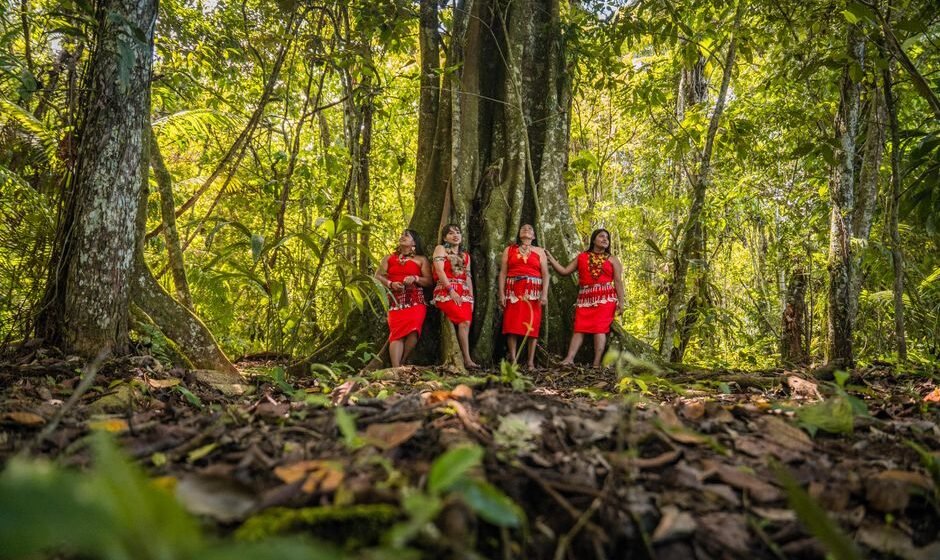
‘The forest is life’: how Indigenous communities in Peru are preventing wildfires
Guardians of the Amazon
In the heart of Peru’s Amazon rainforest, Indigenous communities are taking proactive steps to protect their ancestral lands from the growing threat of wildfires. As climate change and deforestation increase the risk of devastating blazes, these communities are combining traditional knowledge with modern techniques to safeguard their environment.
Table Of Content
Rising Threats to the Forest
Wildfires have become more frequent and intense in recent years, threatening biodiversity, livelihoods, and the cultural heritage of Indigenous peoples. The Amazon, often called the “lungs of the planet,” is particularly vulnerable as prolonged droughts and illegal land clearing create tinderbox conditions.
Community-Led Solutions
Indigenous groups in Peru are implementing a range of strategies to prevent and manage wildfires. Their approach draws on generations of experience living in harmony with the forest, as well as new tools and partnerships.
- Firebreaks: Communities clear strips of vegetation to act as barriers, stopping fires from spreading.
- Controlled Burns: Small, carefully managed fires reduce the buildup of dry material that could fuel larger blazes.
- Forest Monitoring: Residents use both traditional observation and satellite technology to detect fire risks early.
- Education: Training sessions teach both young and old about fire prevention and emergency response.
Traditional Knowledge Meets Modern Tools
Local leaders emphasize the importance of ancestral wisdom in understanding the rhythms of the forest. “The forest is life for us,” says one community member. By blending this deep-rooted knowledge with scientific advances, such as drones and satellite imagery, Indigenous groups are better equipped to spot and respond to fires before they grow out of control.
Collaborative Efforts
Partnerships with environmental organizations and government agencies have strengthened these initiatives. Support has come in the form of training, equipment, and funding, allowing communities to expand their fire prevention programs and share best practices with neighboring villages.
Challenges Remain
Despite these efforts, significant obstacles persist. Illegal logging, mining, and agricultural expansion continue to threaten the forest, while limited resources can hamper rapid response to emergencies. Climate change is also making fire seasons longer and more unpredictable.
A Model for Conservation
The success of Indigenous wildfire prevention in Peru is gaining attention as a model for other regions facing similar threats. By empowering local communities and respecting their knowledge, there is hope for a more sustainable future for the Amazon and its people.
Learn More
For further information, visit the original article at this link.