

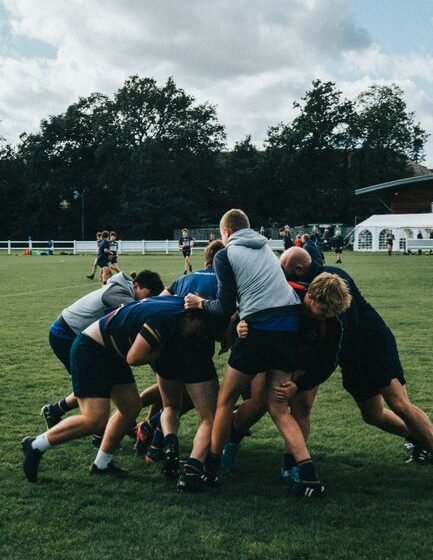
Three sports groups using movement to tackle isolation
Addressing Social Isolation Through Sport
Physical activity is proving to be a powerful tool in reducing feelings of loneliness and isolation. Across the country, several organizations are using sports and group movement to help people connect, build friendships, and improve their mental well-being. Here are three groups making a difference by bringing communities together through movement.
Table Of Content
1. Walking Football: Building Bonds Beyond the Pitch
Walking football has become increasingly popular among older adults seeking both exercise and social interaction. The slower pace makes it accessible to those who may not be able to play traditional football, while still offering the camaraderie and teamwork that come with the sport. Participants often say that the friendships formed off the pitch are just as valuable as the physical benefits.
- Sessions are open to all skill levels
- Focus on enjoyment and participation rather than competition
- Many groups meet for coffee or lunch after games
2. Community Dance Classes: Moving Together
Dance classes in community centers and local halls are providing a welcoming space for people of all ages to come together. These sessions encourage movement, laughter, and connection, helping participants break out of isolation. Instructors often emphasize that no previous dance experience is needed, making classes accessible and inclusive.
- Variety of dance styles, from ballroom to contemporary
- Sessions tailored for different age groups and abilities
- Opportunities to perform at local events
3. Inclusive Cycling Clubs: Pedaling Towards Friendship
Cycling clubs designed for people with disabilities or those new to cycling are fostering a sense of belonging. These groups provide adapted bikes and supportive environments, ensuring everyone can participate regardless of ability. Members frequently mention the boost in confidence and the lasting friendships formed through regular rides.
- Trained volunteers offer guidance and encouragement
- Routes are planned to suit all fitness levels
- Social gatherings and group outings are common
Why Movement Matters
Engaging in group physical activities can significantly reduce feelings of loneliness by creating opportunities for meaningful social interaction. Whether it’s through walking football, dance, or cycling, these organizations are helping people find connection and support in their communities.
For more on how sports initiatives are tackling isolation, visit this link.