

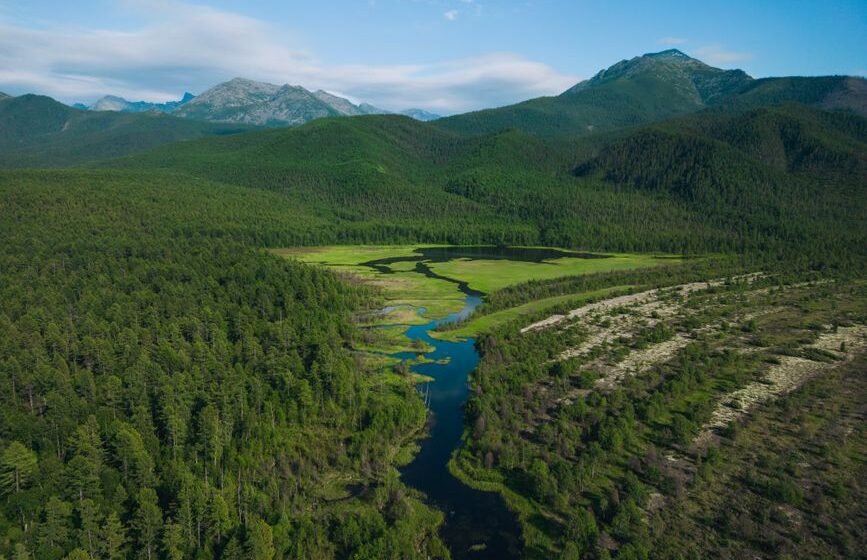
Two of the ‘Last Wild Ecosystems’ Untouched by Humans Are Declared New Sanctuaries
Two of the planet’s few remaining untouched natural habitats have recently been designated as protected sanctuaries, offering new hope for the preservation of biodiversity and the safeguarding of rare species.
Table Of Content
Remote Wilderness Areas Receive Protection
Conservationists have welcomed the decision to officially recognize two remote regions as sanctuaries. These areas, previously undisturbed by human activity, are now shielded from development and exploitation. The move is seen as a significant step toward maintaining the ecological integrity of some of the world’s last wild places.
What Makes These Ecosystems Unique?
Both sanctuaries are characterized by their isolation and rich biodiversity. Scientists believe these environments have remained largely unchanged for centuries, providing a refuge for plants and animals that are increasingly rare elsewhere. The absence of roads, settlements, and industrial activity has allowed these ecosystems to thrive in their natural state.
- High levels of endemic species
- Minimal human footprint
- Vital habitats for endangered wildlife
Implications for Conservation Efforts
The new sanctuary designations are expected to bolster global conservation initiatives. By protecting these areas, authorities aim to prevent habitat loss and ensure the survival of species that depend on undisturbed environments. Environmental organizations have praised the move, emphasizing the importance of preserving such rare ecosystems for future generations.
Future Plans and Challenges
While the sanctuary status provides legal protection, experts caution that ongoing vigilance is necessary. Threats such as climate change, illegal poaching, and encroachment remain concerns. Conservationists are calling for continued monitoring and support to maintain the sanctuaries’ pristine conditions.
Global Significance
The designation of these two wild ecosystems as sanctuaries highlights the urgent need to protect the world’s remaining untouched habitats. As human activity continues to expand, safeguarding these rare places becomes increasingly critical for maintaining global biodiversity and ecological balance.