

What went right this week: reconnecting Europe’s rivers, plus more
Ambitious plan to restore Europe’s rivers announced
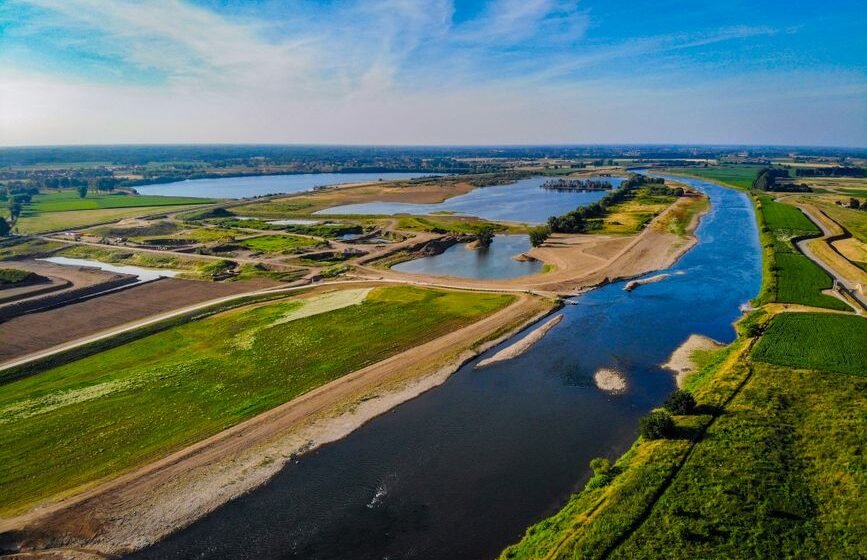
This week, a major initiative was unveiled aiming to revive thousands of kilometers of rivers across Europe. The plan, which is part of the EU’s broader biodiversity strategy, seeks to remove outdated dams and barriers, allowing rivers to flow freely once again. By 2030, the target is to restore at least 25,000 kilometers of rivers, enhancing habitats for wildlife and improving water quality for communities.
Table Of Content
Environmental groups have welcomed the move, noting that reconnecting rivers will help endangered species, reduce flood risks, and create new opportunities for recreation. The project is expected to involve local communities and stakeholders in the decision-making process, ensuring that restoration efforts are both effective and sustainable.
Breakthrough in malaria vaccine development
Researchers announced promising results from trials of a new malaria vaccine, which has shown high efficacy in preventing the disease among young children. The vaccine, developed over several years, demonstrated an ability to significantly reduce cases of malaria in regions where the disease is prevalent.
Health experts are optimistic that this advancement could save countless lives, especially in sub-Saharan Africa where malaria remains a leading cause of child mortality. Plans are underway to expand vaccine distribution and integrate it into existing immunization programs.
Major city adopts free public transport
A major European city revealed this week that it will make all public transportation free for residents and visitors. The initiative, which aims to reduce traffic congestion and lower carbon emissions, will cover buses, trams, and metro services throughout the city.
Officials hope that the move will encourage more people to use public transit, easing pressure on roads and contributing to cleaner air. The city joins a growing list of urban centers worldwide that are experimenting with fare-free transport as a way to promote sustainability and inclusivity.
Rare bird population rebounds
Conservationists reported a significant increase in the population of a rare bird species that was once on the brink of extinction. Thanks to dedicated habitat restoration and protection efforts, the bird’s numbers have steadily grown over the past decade.
The success story is being celebrated as an example of how targeted conservation actions can reverse declines in threatened species. Experts emphasize the importance of continued monitoring and habitat management to ensure the bird’s long-term survival.