

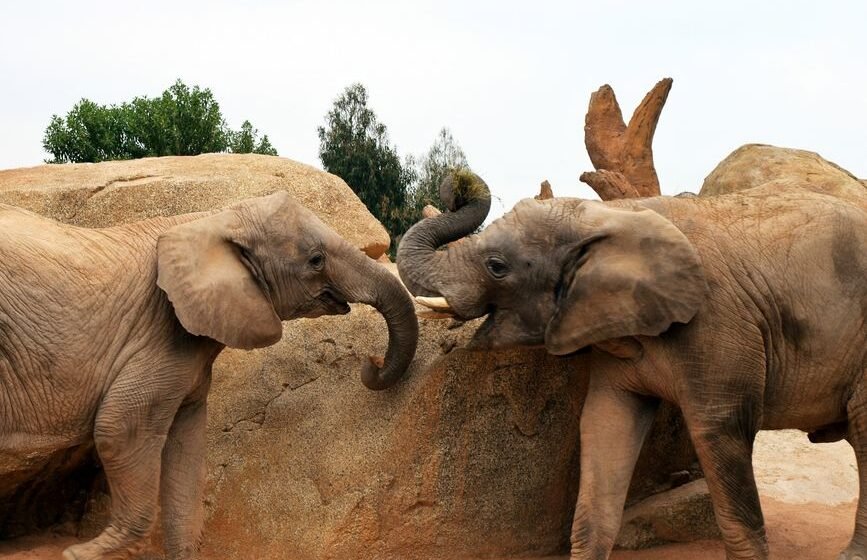
When Zoo Elephants Are Rewilded in Africa, Here’s How Good Their Coping Skills Are
Reintroducing elephants from zoos back into their natural African habitats is a complex process, raising questions about how well these animals adapt to the wild after years in captivity. Recent studies shed light on the coping mechanisms and survival skills of elephants that have made this remarkable transition.
Table Of Content
Returning to Native Habitats
Over the past several years, conservationists have been working to move elephants from zoological settings to protected reserves in Africa. The main goal is to give these animals the chance to live freely, contribute to wild populations, and experience a more natural lifestyle. However, the shift from a controlled environment to the unpredictability of the wild presents significant challenges.
Assessing Adaptation and Survival
Researchers have closely monitored elephants after their release, tracking their movements, social interactions, and overall health. The findings indicate that while the transition can be stressful, many elephants display impressive adaptability. They quickly learn to navigate their new surroundings, locate water sources, and integrate with existing herds.
- Some elephants form strong bonds with wild groups, enhancing their chances of survival.
- Others rely on skills developed in captivity, such as problem-solving and memory, to adjust to new threats and opportunities.
- Instances of stress-related behaviors are observed, but these often diminish as the elephants acclimate.
Challenges Faced in the Wild
Despite positive signs, rewilded elephants encounter several obstacles. They must adapt to unfamiliar food sources, avoid predators, and navigate complex social hierarchies. The absence of human caretakers means they must rely entirely on their instincts and any learned behaviors from their time in captivity.
Some elephants initially struggle with foraging or interacting with wild herds, but ongoing monitoring and support from conservation teams help ease this transition. In some cases, supplementary feeding or veterinary care is provided during the early stages of rewilding.
Long-Term Outlook
Experts believe that, with proper preparation and support, elephants raised in zoos can successfully adjust to life in the wild. The process requires careful planning, including gradual acclimatization and close observation after release. Over time, many rewilded elephants demonstrate resilience and the ability to thrive in their new environment.
Implications for Conservation
The success of these rewilding efforts offers hope for future conservation initiatives. By understanding how elephants cope with the transition, wildlife managers can refine their strategies to improve outcomes for other animals facing similar journeys from captivity to freedom.