

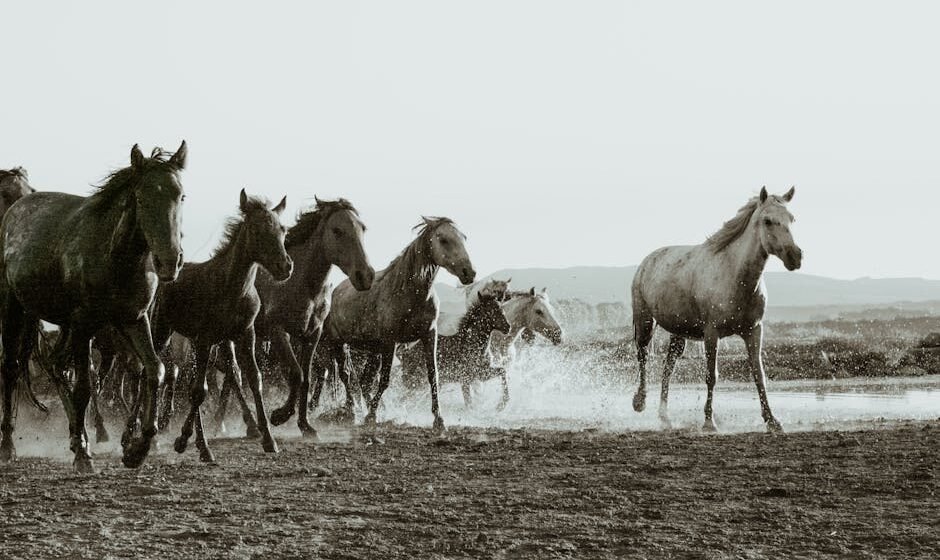
World’s Last Wild Horse Thriving After 3 Years in Spain’s Gallop Towards Rewilding
Three years after their introduction to Spain, the world’s only remaining wild horse species is thriving, marking a significant milestone for European rewilding initiatives. The Przewalski’s horse, once on the brink of extinction, is now adapting well to its new home in the Iberian Peninsula.
Table Of Content
A Rare Species Returns
The Przewalski’s horse, native to the steppes of Central Asia, was reintroduced to the Villafranca de los Caballeros reserve in Castilla-La Mancha in 2021. This project, part of a broader rewilding movement, aims to restore natural ecosystems by bringing back species that disappeared from the region centuries ago.
These robust horses, distinguished by their stocky build and short, upright manes, had vanished from the wild by the late 1960s. Their survival was secured through captive breeding programs, and now, their presence in Spain is seen as a hopeful sign for biodiversity recovery.
Adapting to a New Landscape
Since their arrival, the horses have demonstrated remarkable adaptability. The group has settled into the reserve’s grasslands, grazing alongside native wildlife and contributing to the health of the ecosystem. Their grazing patterns help maintain open habitats, benefiting a variety of plant and animal species.
Local conservationists have closely monitored the horses’ health and behavior. Over the past three years, the animals have shown strong signs of well-being, with several foals born in the reserve. This success has encouraged further discussions about expanding the project to other areas in Spain.
Positive Impact on Ecosystems
The reintroduction of the Przewalski’s horse is not only a victory for the species but also for the landscape. Their presence helps control shrub growth and supports the regeneration of native grasses. This, in turn, creates better conditions for birds, insects, and other wildlife.
- Restores natural grazing patterns
- Promotes biodiversity
- Reduces wildfire risk by managing vegetation
Experts believe that rewilding projects like this can play a crucial role in combating biodiversity loss and mitigating the effects of climate change. The horses act as ecosystem engineers, shaping the environment in ways that benefit a wide range of species.
Looking Ahead
With the Przewalski’s horses thriving, conservationists are optimistic about the future of rewilding in Spain. Plans are underway to introduce more individuals and potentially expand to other suitable habitats. The project serves as an inspiring example of how carefully managed reintroductions can restore balance to natural landscapes and offer hope for endangered species.
For more on this story, visit this link.