

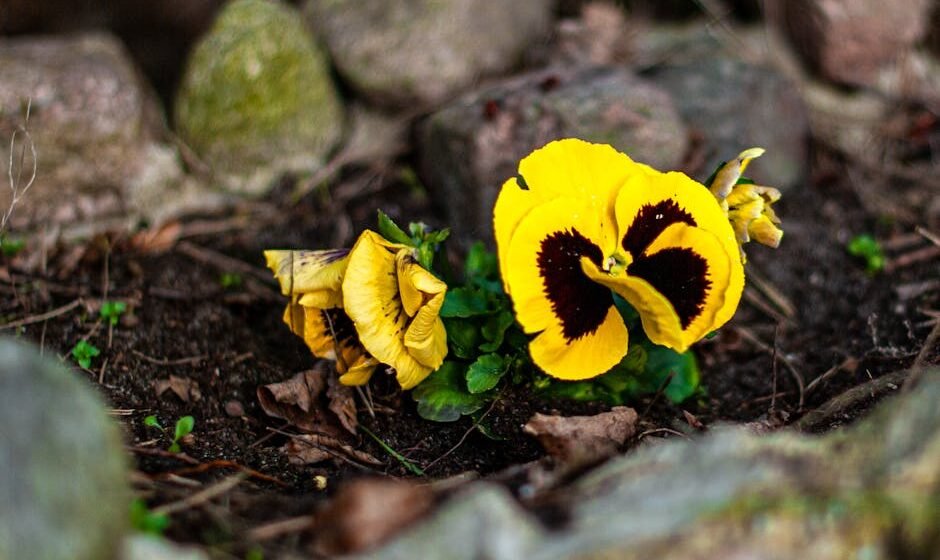
Ecosystem of Pansies Thrives on Soil Contaminated by Lead Mining–Turning it into Clean Organic Compounds
In a remarkable development, pansies have been observed to not only survive but thrive in soil contaminated by lead mining, effectively converting hazardous substances into harmless organic compounds. This discovery offers promising prospects for environmental restoration in areas affected by heavy metal pollution.
Table Of Content
Unexpected Resilience in Polluted Environments
Researchers have found that certain species of pansies can flourish in soil with high concentrations of lead, a metal known for its toxicity to most plant life. Unlike many other plants that struggle or perish in such conditions, these pansies display robust growth and vibrant blooms, even in heavily contaminated areas.
Mechanism Behind the Transformation
The pansies’ unique capability lies in their root systems, which absorb lead from the soil. Through a series of biochemical processes, the plants convert the absorbed lead into stable organic molecules that are no longer harmful. This transformation not only allows the pansies to grow but also gradually reduces the toxicity of the surrounding soil.
- Pansies absorb lead through their roots
- Biochemical reactions neutralize the metal
- Resulting compounds are safe for the environment
Potential for Environmental Remediation
This natural detoxification process has significant implications for the restoration of ecosystems damaged by mining activities. By planting pansies in contaminated areas, it may be possible to accelerate the cleanup of polluted soils without the need for costly or invasive remediation techniques.
Broader Impact and Future Applications
Experts suggest that the pansies’ ability to neutralize lead could be harnessed in various settings, from abandoned industrial sites to urban gardens affected by pollution. Further research is underway to determine whether similar methods can be applied to other heavy metals and plant species.
Looking Ahead
The discovery of pansies’ resilience and detoxifying abilities marks a significant step forward in the field of phytoremediation. As scientists continue to explore the full potential of these hardy flowers, there is hope that they will play a vital role in restoring environments once considered irreparably damaged by human activity.
For more details, visit the original report at this link.